About us
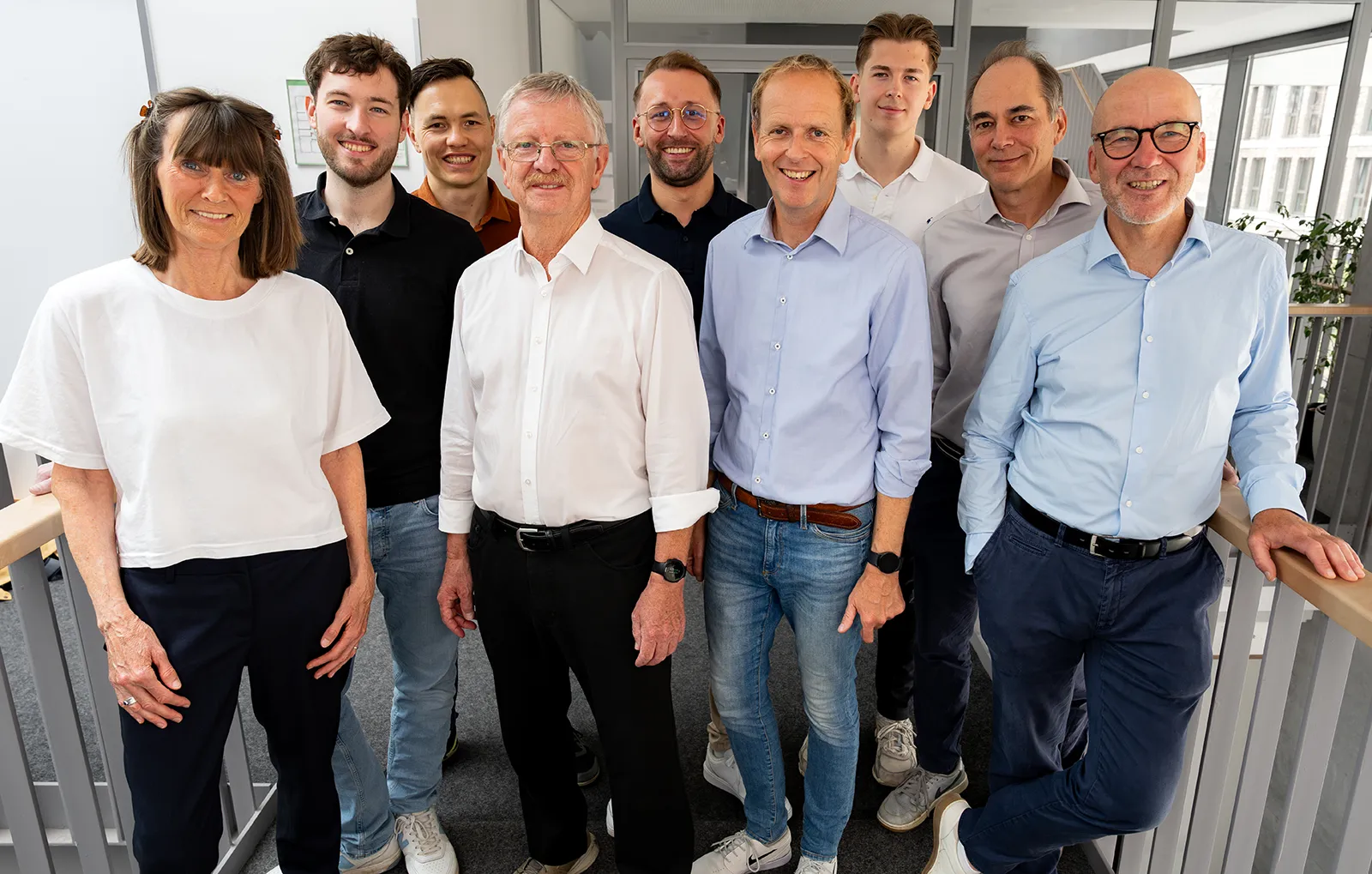
Since its spin-off from Kiel University (Germany) in 2025, QuantView has been conducting applied research with numerous renowned research partners in Germany and abroad, focused on advancing Metabolic Resonance Imaging toward clinical application.
We employ our own patented and significantly more powerful "PHIP plus" technique, an advancement over the conventional "PHIP" ("parahydrogen-induced polarization") technique.
Our aim is to use our advanced MRI tracer to enable the earliest possible assessment of cancer treatment response within days, thereby accelerating and improving cancer therapies.
We are based at the Kiel Science Centre, directly adjacent to the University Campus's Department of Chemistry, giving us short distances to the laboratories we use under licensing agreements.
Our interdisciplinary team brings together experienced chemists, physicists, entrepreneurs, and experts in business administration, finance, and marketing.
Together, we combine our expertise to apply our unique diagnostic technology in the fight against one of the most widespread diseases: cancer.
From Publication to Patent: Pioneering the Future of Hyperpolarized Imaging
Our team is proud to be at the forefront of the highly innovative field of metabolic imaging using hyperpolarized pyruvate.
Our leadership in this field is exemplified by our flagship publication, in which we achieved a breakthrough in the synthesis of vinyl pyruvate, a hyperpolarizable metabolic tracer that plays a key role in shaping the future of this imaging technique.
Our team
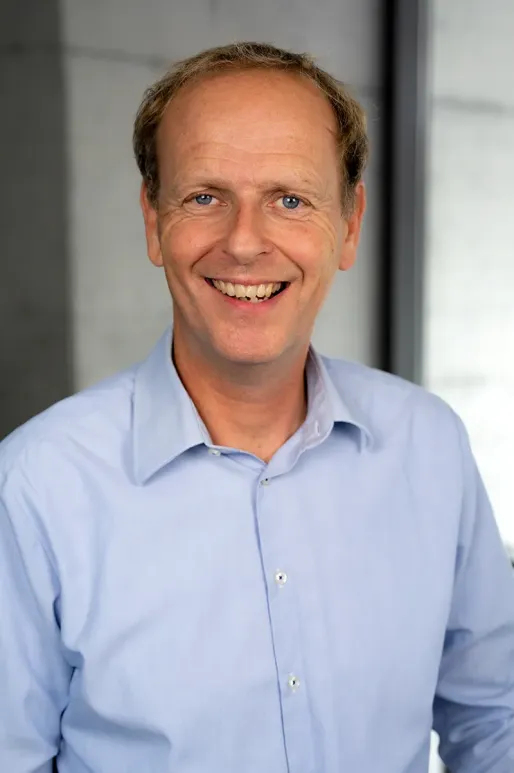
RN Dr. Stefan Kloth
CEO and Founder
As the Founder and CEO of QuantView, Stefan brings more than 25 years of experience in entrepreneurship and industrial leadership. His background combines physics, business administration, and strategic company development, with a strong focus on advanced diagnostics, technology commercialization, and sales growth. Stefan holds a PhD in physics and a M.A. in Business Administration. Before founding his own companies, he worked as an International Sales Engineer at Philips. Over the course of his career, he established, led, and had successful exits at multiple technology and healthcare ventures, including Lenscare AG, SavIT GmbH, herges detection GmbH, and osteolabs GmbH.RN Dr. Stefan Kloth

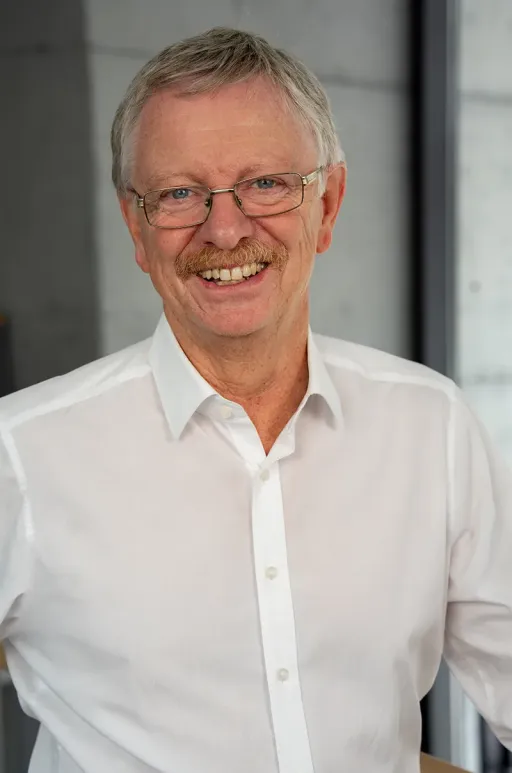
Prof Dr. Rainer Herges
CSO and Founder
Rainer is Professor Emeritus of Organic Chemistry at Kiel University and is the founder and CSO at QuantView. With more than three decades of experience in academic research, his scientific work focuses on organic, physical, and theoretical computer-assisted chemistry. Rainer obtained his PhD with summa cum laude from the Technical University of Munich. After a postdoctoral fellowship at the University of Southern California with Nobel Laureate George A. Olah, he completed his habilitation at the University of Erlangen-Nürnberg. Since 2001, he held the Chair of the Otto Diels Institute of Organic Chemistry at the Kiel University and was additionally the chairman of the “Sonderforschungsbereich 677” with a budget of more than 20 mio €. Rainer’s scientific achievements include numerous awards and honors, among them the Adolf-von-Baeyer-Denkmünze, the Science Award of the City of Kiel, the ADUC Award, and the Emanuel-Vogel-Lecture. Moreover, he held and still holds visiting professorships at internationally remarkable institutions such as the Stanford University, University of Melbourne, MIT, IOCB in Prague, and UNSW in Sydney. From his latest applied research, Rainer founded two startups, herges detection and QuantView.Prof Dr. Rainer Herges
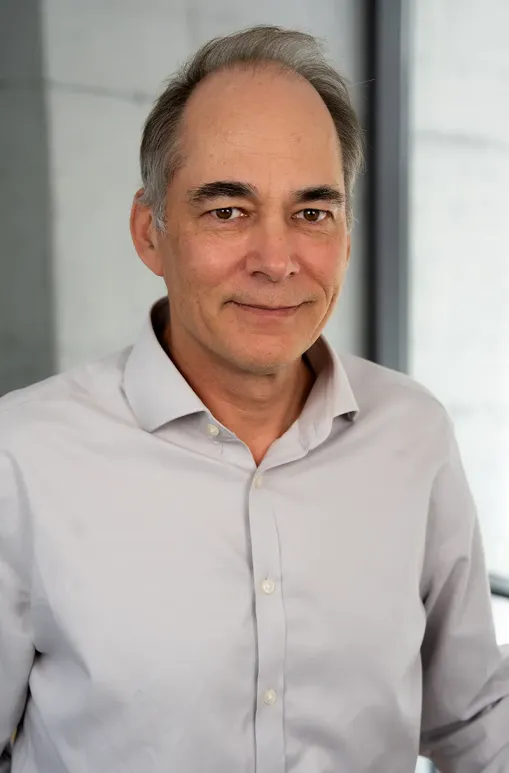
Dr.-Ing. Hans-Martin Dudenhausen
Head of Engineering, Co-Founder
With more than 25 years of international executive management experience, Hans-Martin contributes to QuantView as Head of Engineering for polarizer development. Hans-Martin studied Physics at Kiel University, graduating with a Diploma, before earning a PhD in Mechanical Engineering from the University of Stuttgart. His professional focus includes operational excellence, restructuring, mergers, acquisitions, and technology-oriented business development. As a serial founder and experienced technology executive, he has successfully supported company transformations, restructuring projects, and multiple business build-ups and exits. Throughout his career, he held executive and interim management positions at technology companies in Europe and the United States, including CEO and CFO roles.Dr.-Ing. Hans-Martin Dudenhausen
Dr. Artjom Businski
Head of Laboratory and Lead Scientist, Co-Founder
Artjom works as Head of Laboratory and Lead Scientist at QuantView, where he is involved in tracer development, IP generation, and polarizer development. His scientific expertise focuses on organic synthesis, photochemistry, NMR spectroscopy, and hyperpolarization. Artjom studied Chemistry at the Kiel University and obtained both his B.Sc. and M.Sc. degrees with Ulrich Lüning. He then joined the workgroup of Rainer Herges and achieved his PhD with summa cum laude. Through several scientifc reports and presentations at international conferences including MACH-5, the Gordon Research Conferences, and the European Symposium on Organic Reactivity, Artjom gained recognition as an invited speaker and received a poster award.Dr. Artjom Businski
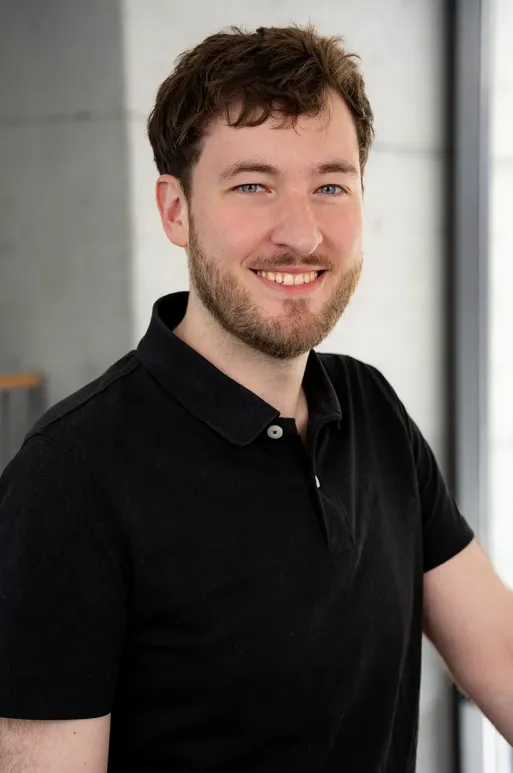
Dr. Arne Brahms
Scientific Consulting, Co-Founder
At Quantview, Arne specializes in organic chemistry and hyperpolarized MRI, where he serves in a consulting role. He studied Chemistry at Kiel University, recieving both his B.Sc. and M.Sc. degrees. He subsequently completed his doctoral research on novel tracer agents for hyperpolarized MRI under the supervision of Rainer Herges, obtaining a PhD with summa cum laude. His research has led to several highly recognized scientific publications and patents. Alongside his academic achievements, Arne gained experience in the pharmaceutical industry, particularly in quality control and GMP compliance. After completing high school, Arne received the GDCh Abitur Award. In recognition of his outstanding doctoral thesis, he was given the Familie-Schindler Award.Dr. Arne Brahms
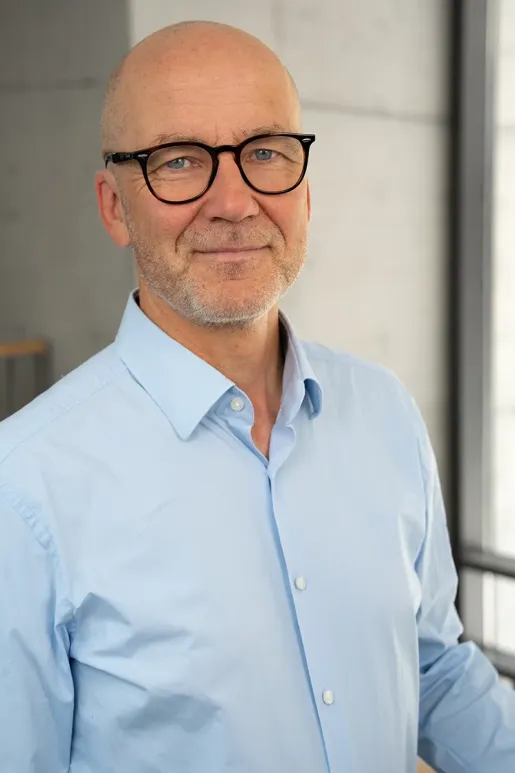
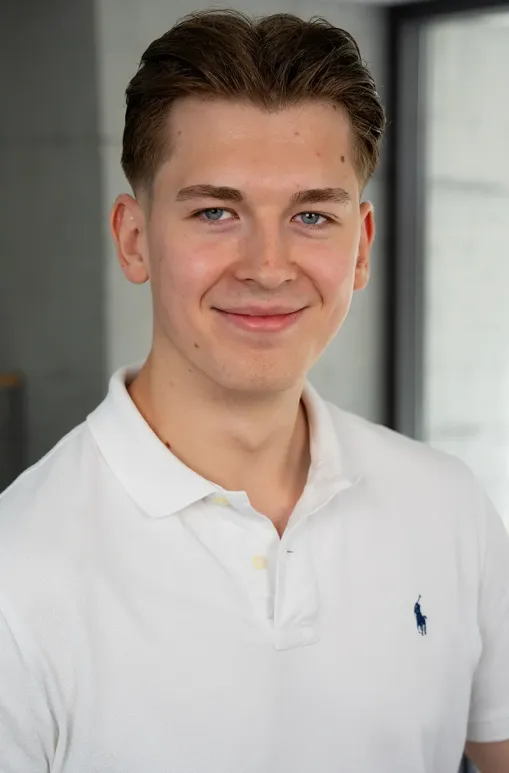
Dennis Kerber
student trainee
Advisory Board
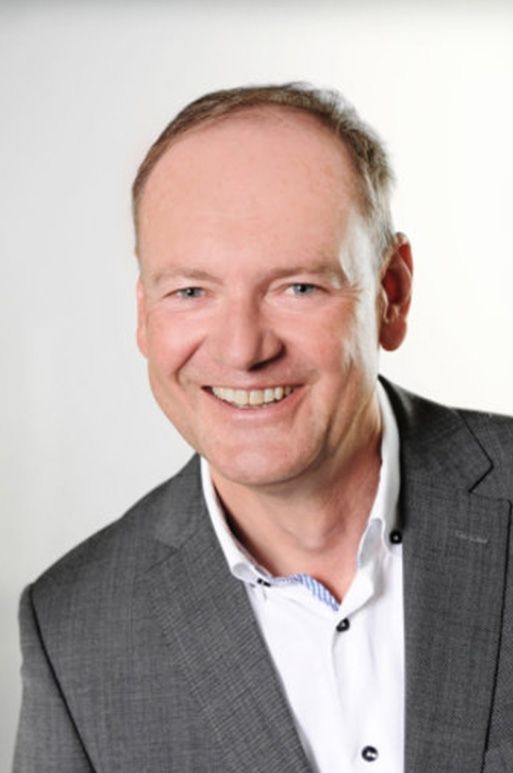
Prof. Dr. Olav Jansen
Position
Olav has shaped radiology at University Hospital Schleswig-Holstein in Kiel for more than two decades. Today, he directs the Department of Radiology and Neuroradiology and the cross-campus Radiology Center. Olav was part of the leadership team of the landmark SWIFT PRIME stroke trial and from 2010 to 2012, he served as President of the German Society of Neuroradiology. At QuantView, he advises on the use of MRI in clinical practice.Prof. Dr. Olav Jansen
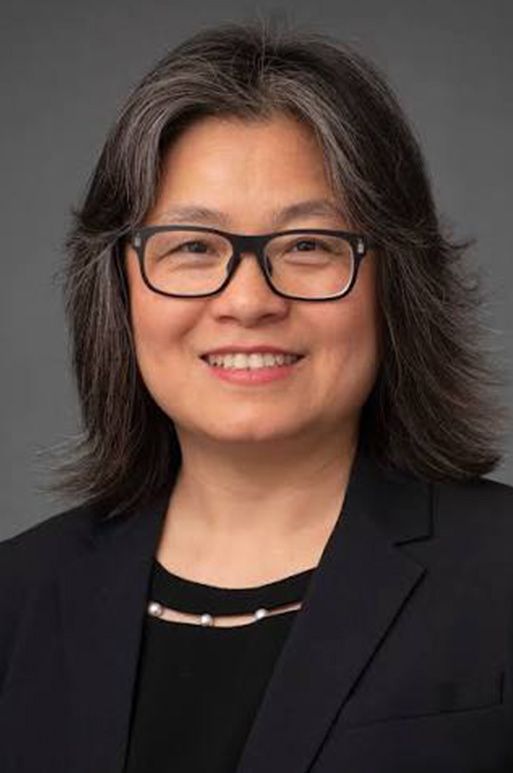
Prof. Dr. Yi-Fen Yen
Position
Yi-Fen is Director of Hyperpolarized Imaging at the Martinos Center of Massachusetts General Hospital and Assistant Professor of Radiology at Harvard Medical School. After a doctorate in nuclear physics at the University of Minnesota, she worked on dynamic nuclear polarization at Los Alamos National Laboratory. At GE Healthcare, her ¹³C methods later supported the first Investigational New Drug application for pyruvate studies in humans.Prof. Dr. Yi-Fen Yen
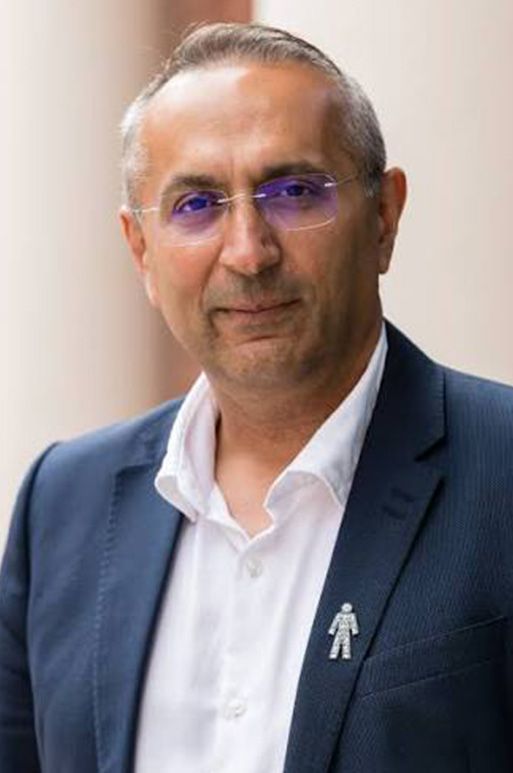
Prof. Dr. Shonit Punwani
Position
Shonit is Professor of Magnetic Resonance and Cancer Imaging at University College London, heads its Department of Imaging and works as Consultant Radiologist at University College London Hospitals. In 2017, his team scanned the first prostate cancer patient in Europe with hyperpolarized MRI. He is also lead author of the international consensus recommendations for multi-center trials with this technique. At QuantView, Shonit advises on bringing new diagnostics from the laboratory to patients.Prof. Dr. Shonit Punwani
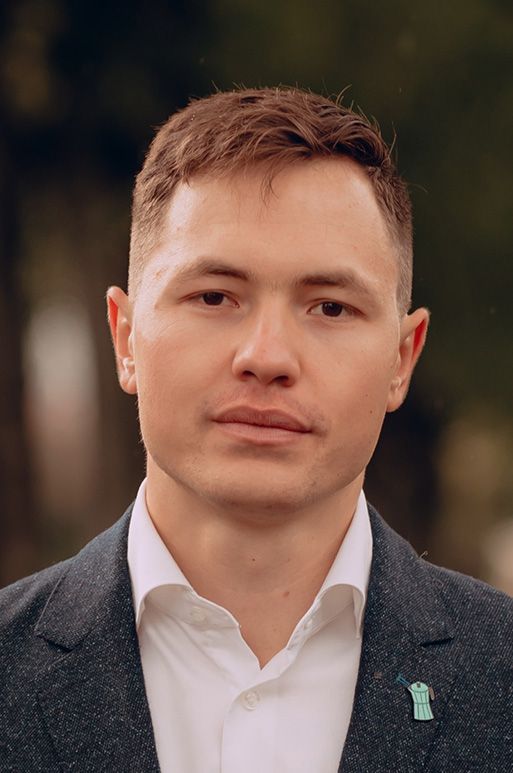
PD Dr. habil. Andrey Pravdivtsev
Position
Andrey leads a research group in the Section Biomedical Imaging at University Hospital Schleswig-Holstein and Kiel University, developing parahydrogen-based hyperpolarization for molecular MRI. In 2026, the German Research Foundation admitted him to its prestigious Heisenberg Program. His recent work in Nature Communications extended the lifetime of the hyperpolarized pyruvate signal beyond four minutes. As co-author of most of QuantView’s scientific publications, Andrey contributes his expertise in spin physics.PD Dr. habil. Andrey Pravdivtsev
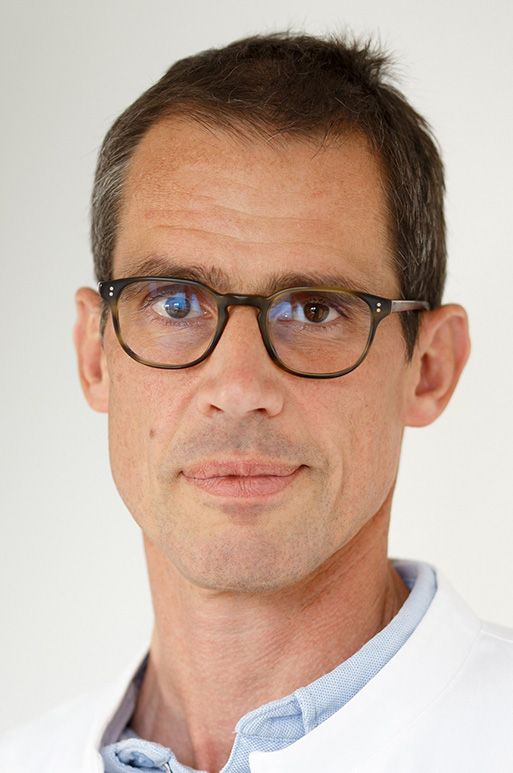
Prof. Dr. Dirk Jäger
Position
With more than three decades of experience in clinical oncology, Dirk brings in-depth knowledge of cancer therapy and the assessment of treatment response to QuantView. He is Managing Director of the National Center for Tumor Diseases (NCT) Heidelberg and Medical Director of the Department of Medical Oncology at Heidelberg University Hospital. His research centers on individualized immunotherapies and predictive biomarkers.Prof. Dr. Dirk Jäger